

 Quick answer: If an ice dam is leaking into your home, shut off power to the affected room, place buckets under active drips, move or cover belongings, and carefully release a bulging ceiling with a small drainage hole. Avoid climbing onto the roof or using hot water, salt, or heaters. Call a professional restoration team right away to prevent hidden mold and structural damage.
Hearing a steady drip inside your home during a freezing winter storm makes your heart drop. You look up and see a dark stain widening across the living room ceiling, or water trickling down an exterior wall.
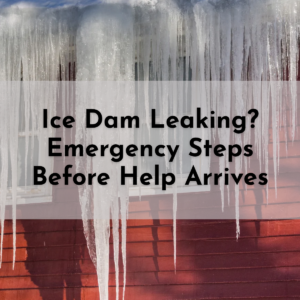
Most likely, an ice dam is the culprit. Snow piles up on your roof and melts, then runs down to the colder eaves and freezes into a solid ridge of ice. That gutter ice dam acts like a reservoir and traps the meltwater that follows. With nowhere to drain, the water backs up beneath your asphalt shingles, works through the underlayment, and leaks into your home.
In a roof leak emergency like this, minutes matter. While you wait for professional help, a few quick steps indoors can limit the damage to your home’s structure and protect the space your family lives in. This guide walks you through how to contain the water, protect your belongings, and keep everyone safe until a restoration crew arrives.
How Do You Contain Water Intrusion Inside Your Home During an Ice Dam Leak?
When water comes through your ceiling or walls, a fast response can keep a small leak from becoming a big loss. Controlling the flow indoors protects your belongings and makes the eventual cleanup safer. A few organized steps also limit how far the water travels into your subfloor and lower levels.
Before the restoration crew arrives, focus on these indoor containment steps, starting with a few quick photos.
- Document the damage first. Once the area is safe to stand in, grab your phone and capture photos and video of active drips, ceiling stains, and soaked belongings before you move things or wipe anything down. Clear visual evidence helps you file an accurate home insurance claim. For more tips, see our guide on how to document property damage for an insurance claim.
- Clear the drip path and protect what you can’t move. Move light furniture, rugs, electronics, and heirlooms out of the leak zone right away. For heavy pieces you can’t budge, drape heavy plastic sheeting or large trash bags over them. The plastic sheds water away from upholstery and wood finishes.
- Set up stable catch basins. Place heavy-duty buckets, storage totes, or deep pots directly under active drips. Line the bottom of each one with folded rags or old bath towels. The padding softens the impact, so water doesn’t splash onto your hardwood or carpet.
- Relieve a bulging ceiling. If water pools behind the drywall and the ceiling sags into a bulge, you can release it before it gives way on its own. First, shut off power to that room at your breaker panel if you can reach it without stepping through water. Then stand to the side, poke a small hole in the center of the bulge with a screwdriver, and let the water drain into a bucket. A controlled release is far safer than a sudden ceiling collapse.
- Soak up standing water. Use thick towels, blankets, or a wet/dry shop vac to keep collecting water from hardwood, tile, or carpet. Acting fast keeps moisture from sinking into your subfloor, baseboards, and wall framing. Keep power cords and outlets away from wet areas.
Controlling the water and the standing moisture steadies your home, limits secondary damage, and lowers the risk of a slip on wet floors.
What Should You Avoid During an Active Ice Dam Leak Emergency?
When water drips through your ceiling, the urge to fix it from the outside feels natural. Those quick fixes often backfire, though. They can hurt you and make the leak worse. Skip these four moves while you wait for help.
- Climbing onto a frozen roof or ladder. A steep, icy roof or a ladder in freezing, windy weather puts you at serious risk of slipping and falling. A fall can cause severe injury, so stay on the ground and let the roof wait.
- Chipping at the ice with sharp tools. Axes, claw hammers, and metal shovels can puncture shingles, dent gutters, and tear the underlayment. Those new gaps give water more ways into your attic.
- Using hot water, salt, or harsh chemicals. Hot water can shock cold roofing materials and crack them, then refreeze and add to the ice. Rock salt can damage your shingles, and the runoff can harm the soil and plants around your home.
- Running space heaters or open flames in the attic. Space heaters, torches, or heat lamps in an uninsulated attic create a fire hazard and add condensation to the space.
Keep your focus on collecting water indoors. That keeps you safe and protects your roof from extra damage while help is on the way.
Why Is Professional Restoration Essential After a Roof Leak Emergency?
Stopping the drip you can see is only the first phase of recovery. Water that backs up under your shingles rarely drops straight down. It spreads sideways through attic insulation, ceiling joists, and hollow wall cavities, leaving hidden pockets of moisture that household fans can’t dry out.
A professional restoration team protects your home from the water damage you can’t see.
- Preventing hidden structural rot. Moisture trapped in wood framing and attic insulation weakens your home’s structure over time. If you leave it alone, it can lead to sagging ceilings and structural failure.
- Stopping mold before it spreads. Dark, damp wall cavities give mold an ideal place to grow. According to the U.S. Environmental Protection Agency (EPA), if you dry wet materials within 24 to 48 hours, mold usually won’t grow. That window makes a fast response especially important when water hides inside your walls.
- Drying with the right equipment. Restoration crews bring moisture meters, thermal imaging cameras, industrial dehumidifiers, and high-powered air movers. This gear helps them find moisture behind drywall and under flooring, then dry it completely.
Experienced crews also know how to document structural damage clearly, which helps streamline your insurance claim and supports proper coverage. Once your home is dry and stable, you may want to keep ice dams from coming back. Our guide on how to get rid of ice dams through prevention and remedies walks you through your options.
Taking Control Of Your Winter Home Emergency
An ice dam leak in the middle of a storm feels overwhelming, and that reaction makes sense. Acting fast indoors still puts you back in control. When you put safety first, collect the water, and document the damage, you protect your home and set up a smoother recovery.
You don’t have to handle the rest on your own. Reynolds Restoration Services responds around the clock to families across Harrisburg, Philadelphia, and Baltimore. Our emergency response teams bring more than 20 years of experience in water extraction and structural drying to help you recover from a winter roof leak safely. With a trusted restoration partner beside you, getting your home clean, dry, and fully restored goes a lot more smoothly.
If water is coming into your home right now, contact Reynolds Restoration Services today or call 1-888-277-8280, and we’ll help you take the next step.
Frequently Asked Questions
How quickly does mold grow after an ice dam leak?
According to the EPA, mold can begin growing within 24 to 48 hours on wet materials. That’s why drying out affected areas quickly, ideally with professional equipment, is critical after any ice dam leak.
Is it safe to remove ice dams myself?
Climbing onto an icy roof or using sharp tools, hot water, or salt to break up an ice dam puts you at risk of injury and can damage your shingles and gutters. It’s safer to manage the leak indoors and leave ice dam removal to professionals.
What should I do if my ceiling is bulging with water?
Shut off power to the room if you can safely reach the breaker panel, then carefully poke a small hole in the center of the bulge with a screwdriver to drain the water into a bucket. This controlled release prevents a sudden, more damaging ceiling collapse.
Will my homeowners insurance cover ice dam damage?
Many homeowners insurance policies cover sudden water damage from ice dams, but coverage varies by provider and policy. Documenting the damage with photos and video as soon as it’s safe to do so supports an accurate claim.
Who should I call for ice dam water damage restoration?
A professional restoration company with experience in water extraction and structural drying, like Reynolds Restoration Services, can identify hidden moisture and prevent mold and structural rot after an ice dam leak.

President of Reynolds Restoration Services. Over 20 years of experience in the emergency restoration industry.