

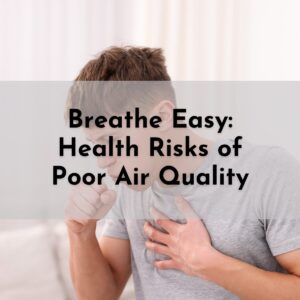
 Fire and water damage hit hundreds of thousands of homes across the U.S. every year. But the damage you can see is only half the story. Long after the flames go out or the floodwaters drain away, something invisible often lingers behind: compromised indoor air quality.
Smoke particles, volatile organic compounds (VOCs), and mold spores can hang in the air for weeks or even months. They quietly affect the health of families trying to get their lives back on track, often without anyone noticing until symptoms show up.
If you’re already dealing with the stress of fire or water damage, this hidden risk can feel like one more thing piled on. That’s exactly why it helps to understand what you’re up against and what you can do about it.
Get Emergency Fire Help Now
Health Effects of Fire and Water Damage
The health impacts of poor air quality after a disaster can show up fast, and they can stick around even longer.
Short-term symptoms usually appear right after smoke exposure. Coughing, wheezing, eye irritation, and shortness of breath are common early signs. Fine smoke particles work their way deep into the lungs, so they keep posing a risk even after the flames are out. Children, older adults, and anyone with asthma are especially sensitive here. Without proper ventilation and remediation, these smoke damage health effects can linger or get worse.
But the danger doesn’t stop once the smoke clears. Long-term risks include aggravated asthma and bronchitis from lingering soot, plus a whole new set of concerns tied to respiratory health after water damage. Mold can start growing within 24 to 48 hours, and once spores become airborne, they can trigger allergic reactions, respiratory infections, or even hypersensitivity pneumonitis. Mold likes to hide inside walls or under flooring, so a professional assessment matters here. You want someone who knows where to look.
Key Contaminants to Watch For
After fire or water damage, three main culprits compromise indoor air quality:
- Particulate Matter (PM2.5 and PM10): These microscopic particles slip right past the body’s natural defenses. PM2.5 is especially concerning because it can enter the bloodstream. Burned building materials and household items are common sources. The World Health Organization identifies particulate matter as a leading cause of pollution-related illness worldwide.
- Volatile Organic Compounds (VOCs): Burning plastics, paints, and synthetic materials release these compounds into the air. Short-term exposure can cause headaches and dizziness. Long-term exposure has been linked to liver and nervous system damage (NIH).
- Mold Spores: These thrive in damp environments after water damage. Once they become airborne, spores can trigger allergies and respiratory issues. Mold often grows in hidden areas, so professional testing is the only reliable way to catch it.
Together, these contaminants create a toxic mix that can quietly undermine recovery efforts. Smoke and soot tend to be visible, but VOCs and mold spores are harder to detect, which makes them especially sneaky. Understanding how each one affects your health helps you prioritize the right remediation and ensures your cleanup goes beyond appearances to truly restore safe air quality after fire damage or flooding.
Restoring and Protecting Air Quality
Cleaning the air after fire or water damage takes more than surface fixes. Real indoor air quality restoration means going deep, not just wiping down what you can see.
HEPA filtration is one of the most effective tools for capturing fine particles and mold spores. Professional remediation services go even further, removing soot, smoke residue, and hidden mold colonies you’d never find on your own. Ventilation improvements, like strategic use of windows and exhaust fans, help flush contaminated air out of your home. In some cases, restoration teams bring in air scrubbers and negative air machines for serious air purification restoration, containing and eliminating airborne contaminants before they spread further.
Homeowners can take a few immediate steps to limit exposure:
- Wear N95 masks while working in affected areas
- Reduce time spent in those spaces until they’re cleared
- Dry out water-damaged areas as quickly as possible
For longer-term protection, consider adding a few extra layers of defense:
- Use moisture meters to catch dampness early
- Keep records of all damage and air quality testing, which you’ll need for insurance claims
Resources like Ready.gov offer additional guidance on fire recovery and preparedness.
Don’t Wait to Breathe Safely Again
The damage you can see is only half the story. What lingers in the air after fire or water damage can quietly affect your health for months if it isn’t addressed. Families deserve more than patched walls and cleaned floors. They deserve the peace of mind that comes with safe, breathable air.
That’s why taking action quickly matters. Reynolds Restoration Services doesn’t just restore your property; we restore the environment you live in. With expert air quality assessments and personalized remediation plans, we help you clear the unseen hazards so your home feels like home again: healthy, safe, and ready for the future.
Don’t wait for symptoms to tell you something’s wrong. Call us today at 1-888-277-8280 or contact our team to schedule your air quality assessment. With offices in Harrisburg, Pa.; King of Prussia/Philadelphia, Pa.; and Elkridge/Baltimore, Md., our teams can be on site quickly to help you restore your home to its pre-loss condition.
Request Fire Damage Restoration

President of Reynolds Restoration Services. Over 20 years of experience in the emergency restoration industry.