

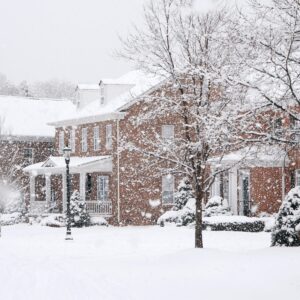
 Snowstorms and blizzards leave behind more than just piles of snow; they often cause hidden damage to homes and property. From roof strain to water intrusion, winter storm damage can escalate quickly if not addressed. According to the National Weather Service, heavy snow and ice can compromise structures, utilities, and personal safety.
This guide walks homeowners through practical steps to take after a snowstorm, how to spot problems early, and when to call Reynolds Restoration Services for help.
Immediate Safety and Initial Checks
Before jumping into post-storm cleanup, take a moment to put safety first. Winter storms can leave behind hidden dangers, from icy walkways to downed power lines. These quick checks will help you stay safe and spot early signs of damage:
- Stay alert around icicles and snow piles. Large icicles or unstable drifts can break suddenly, posing risks to anyone below.
- Check for downed power lines or damaged trees. Storms often bring high winds and ice that topple branches or utility lines. If you see hazards, contact your utility company immediately; never attempt to move them yourself. Guidance from Ready.gov emphasizes staying clear of downed lines.
- Look for visible damage. Broken shingles, clogged gutters, or ice buildup can signal bigger problems once melting begins.
- Document everything. Take clear photos of damage for insurance claims. This step can save time and strengthen your case later.
- Clear walkways and entry points. Shovel and salt paths to prevent slips and falls, especially if temperatures drop again overnight.
Identifying Winter Storm Damage Around the Home
Once the skies clear, it’s time to take a closer look. Snow and ice can quietly cause serious damage, both inside and out. Use the quick inspection checklist now to help you catch small issues before they turn into expensive repairs later:
- Roof and exterior. Watch for sagging rooflines, missing shingles, or leaks as snow begins to melt. Heavy snow can add thousands of pounds of weight to a roof, according to FEMA’s Snow Load Safety Guide.
- Interior signs. Water stains on ceilings or walls, drafts from damaged windows, or unusual creaking may indicate hidden structural stress.
- Plumbing risks. Frozen or burst pipes can cause flooding once temperatures rise. Even small leaks can lead to mold growth if not addressed quickly.
- Basement and foundation. Look for seepage or pooling water near walls. Melting snow can saturate soil and push moisture into basements.
- Heating systems. Ensure vents and exhaust pipes are clear of snow and ice. Blocked vents can cause dangerous carbon monoxide buildup, as explained in the CDC’s Winter Weather Safety Guidelines.
Steps Homeowners Should Take After a Snowstorm
Once the immediate hazards are handled, it’s time to focus on protecting your home from further damage. Acting quickly can prevent small issues from snowballing into bigger (and costlier) problems. Here’s what to tackle next:
- Safely remove excess snow. Use a roof rake or hire professionals to reduce weight and prevent ice dams. Avoid climbing onto icy roofs yourself.
- Dry out wet areas quickly. Fans, dehumidifiers, and towels can help prevent mold growth. The Environmental Protection Agency notes that mold can begin forming within 24–48 hours.
- Make temporary repairs. Tarp damaged areas or seal leaks until professionals arrive. Quick fixes can prevent further water intrusion.
- Contact your insurance provider promptly. Provide documentation of damage and keep records of any temporary repairs.
- Call restoration experts. If you suspect structural issues, water intrusion, or unsafe conditions, don’t wait. Professional help ensures thorough repairs and peace of mind.
Partnering with Reynolds Restoration Services
At Reynolds Restoration Services, we know snowstorms don’t wait for business hours. That’s why we provide 24/7 emergency response for winter storm damage. Our team handles:
- Water extraction and drying to prevent moisture from spreading.
- Mold prevention and dehumidification to protect your indoor air quality.
- Structural repairs and reconstruction for roofs, walls, and foundations.
- Comprehensive recovery support from minor fixes to major restoration.
With over 20 years of experience, we help homeowners recover quickly and safely after snowstorms and blizzards. From emergency response to long‑term prevention, we’re committed to protecting your home and peace of mind.
Don’t wait until small issues become big problems. Contact Reynolds Restoration Services today to restore your home and safeguard it against future winter storms.

President of Reynolds Restoration Services. Over 20 years of experience in the emergency restoration industry.