

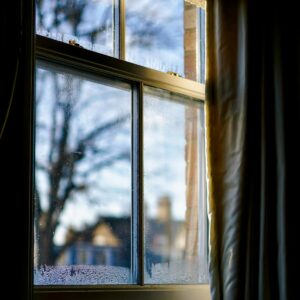
 You might think of a drafty window or a gap under the door as nothing more than a nuisance that forces you to grab an extra blanket. However, that stream of cold air represents a breach in your home’s defense system. Winter drafts are often the first domino to fall in a chain reaction that leads to significant structural issues.
Cold air slipping through cracks doesn’t just lower your comfort; it introduces moisture imbalances that can trigger condensation, frozen pipes, and eventually, serious water intrusion. For homeowners, understanding this connection is critical. Ignoring these chilly warning signs often results in expensive repairs later in the season.
In this guide, we will explore exactly how drafts contribute to water damage, provide actionable steps to seal your home, and explain when it is time to call Reynolds Restoration Services for emergency water damage repair.
The Hidden Dangers: How Winter Drafts Cause Water Damage
Drafts seem harmless because air is invisible. However, the physical reaction that occurs when cold outdoor air meets warm indoor air is capable of causing tangible destruction. Here is how simple drafts escalate into complex restoration projects.
The Science of Condensation
When freezing cold air from a draft hits the warm, humid air inside your home, it lowers the surface temperature of nearby walls, windows, and pipes. This rapid cooling causes the moisture in the warm air to condense into liquid water.
Over time, this constant dampness seeps into drywall, insulation, and wood framing. You might not see a puddle on the floor, but the moisture is there, creating the perfect breeding ground for mold. According to the EPA, mold can begin to colonize on damp surfaces within just 24 to 48 hours. By the time you spot a dark stain on the wall, the damage behind the paint may already be extensive.
Frozen Pipes: A Ticking Time Bomb
Drafts are a leading cause of frozen plumbing. Pipes located in exterior walls, basements, or cabinets are particularly vulnerable. If a draft of freezing air hits a pipe directly, it can cause the water inside to freeze and expand, regardless of how warm the rest of your house is.
When that ice expands, it exerts immense pressure on the pipe, often causing it to burst. A mere one-eighth-inch crack in a pipe can release up to 250 gallons of water a day. This scenario turns a “chilly room” into a catastrophic flooding event requiring immediate water damage restoration.
Ice Dams and Roof Leaks
Inadequate insulation and air leaks in your attic allow warm air to escape your living space and heat the underside of your roof. This melts the snow on top, which then trickles down to the cold eaves and refreezes.
This cycle creates an “ice dam,” a ridge of ice that blocks melting snow from draining off the roof. The water backs up behind the dam and leaks into your home, damaging ceilings, walls, and insulation. Stopping the draft in the attic is the only way to permanently solve this issue.
Identifying the Warning Signs in Your Home
Before you head to the hardware store for supplies, you need to know where your home is vulnerable. Conducting a seasonal inspection helps you identify risks early before they require emergency water damage repair.
Start your inspection with these steps:
- Check Windows and Doors: Run your hand along the edges of window frames and door jambs. If you feel a temperature drop or a distinct breeze, you have a seal failure.
- Look for “Sweaty” Surfaces: If your windows or walls have water droplets on them, it is a sign that cold air is penetrating the area and causing condensation.
- Inspect the Attic: Look for daylight peeking through gaps in the eaves. Check insulation for dampness or dark spots, which indicate past or present leaks.
- Monitor Utility Bills: A sudden spike in heating costs often indicates that your heating system is working overtime to compensate for cold air intrusion.
- Scan for Water Intrusion: Look for peeling paint, warped baseboards, or musty odors in corners. These are red flags that moisture has already taken hold.
Practical Strategies to Prevent Water Damage
Prevention is always more affordable than restoration. By taking proactive measures to control winter drafts, you essentially “waterproof” your home against winter weather risks. Here are the most effective ways to prevent water damage caused by airflow issues.
Seal the Gaps (Caulking and Weatherstripping)
This is your first line of defense. Use high-quality silicone caulk to seal gaps around window frames, dryer vents, and cable entry points on your home’s exterior. For moving parts like doors and sash windows, apply weatherstripping. These affordable materials create an airtight seal that keeps cold air out and protects your plumbing from freezing drafts.
Upgrade Insulation
Adding insulation to your attic, basement, and crawl spaces does more than keep you warm. It acts as a thermal barrier that prevents the rapid temperature shifts that lead to condensation and ice dams. If your attic floor joists are visible, you likely need more insulation.
Protect Your Pipes
If you have plumbing running through cold zones (like a garage or an unheated basement), insulate the pipes with foam sleeves. For sinks on exterior walls, leave cabinet doors open during extreme cold snaps to allow warm home air to circulate around the plumbing.
Maintain Gutters and Downspouts
While not directly related to drafts, clogged gutters exacerbate the ice dam issues caused by attic air leaks. Ensure your gutters are clear so that melting snow can drain freely away from your foundation, rather than backing up under your shingles.
When to Call the Pros for Water Damage Restoration
Even with the best preparation, extreme winter weather can sometimes overwhelm a home’s defenses. If a pipe bursts or an ice dam causes a ceiling leak, the situation moves beyond a DIY fix.
You should contact Reynolds Restoration Services if you notice:
- Standing Water: Any amount of pooled water from a burst pipe requires professional extraction to prevent structural weakening.
- Extensive Mold Growth: If condensation has led to mold patches, professional mold remediation is necessary for health and safety.
- Structural Sagging: Wet drywall or buckling ceilings are dangerous and require immediate stabilization.
- Unexplained Dampness: If you can’t find the source of the water, restoration experts have thermal imaging tools to locate hidden leaks behind walls.
Why Choose Reynolds Restoration Services?
When winter strikes, speed matters. Water damage spreads quickly, wicking into materials and increasing repair costs by the hour.
Reynolds Restoration Services provides 24/7 emergency water damage repair for homeowners facing winter disasters. Our team handles the entire process, from initial water extraction and structural drying to mold prevention and full property reconstruction. We don’t just dry your home; we help you identify the source of the issue—whether it was a drafty pipe or a roof leak—so you can prevent it from happening again.
Don’t Wait Until It’s Too Late
Winter drafts are often a warning sign of potential water damage. By staying proactive with regular inspections, sealing gaps, and upgrading insulation, you can protect your investment.
However, if you do discover signs of water intrusion or face a frozen pipe emergency, know that help is available. Let Reynolds Restoration Services help you safeguard your home this winter.

President of Reynolds Restoration Services. Over 20 years of experience in the emergency restoration industry.